Archives
- 2026-08
- 2026-07
- 2026-06
- 2026-05
- 2026-04
- 2026-03
- 2026-02
- 2026-01
- 2025-12
- 2025-11
- 2025-10
- 2025-09
- 2025-03
- 2025-02
- 2025-01
- 2024-12
- 2024-11
- 2024-10
- 2024-09
- 2024-08
- 2024-07
- 2024-06
- 2024-05
- 2024-04
- 2024-03
- 2024-02
- 2024-01
- 2023-12
- 2023-11
- 2023-10
- 2023-09
- 2023-08
- 2023-07
- 2023-06
- 2023-05
- 2023-04
- 2023-03
- 2023-02
- 2023-01
- 2022-12
- 2022-11
- 2022-10
- 2022-09
- 2022-08
- 2022-07
- 2022-06
- 2022-05
- 2022-04
- 2022-03
- 2022-02
- 2022-01
- 2021-12
- 2021-11
- 2021-10
- 2021-09
- 2021-08
- 2021-07
- 2021-06
- 2021-05
- 2021-04
- 2021-03
- 2021-02
- 2021-01
- 2020-12
- 2020-11
- 2020-10
- 2020-09
- 2020-08
- 2020-07
- 2020-06
- 2020-05
- 2020-04
- 2020-03
- 2020-02
- 2020-01
- 2019-12
- 2019-11
- 2019-10
- 2019-09
- 2019-08
- 2019-07
- 2019-06
- 2019-05
- 2019-04
- 2018-07
-
Based on structure activity relationship
2025-02-28
Based on structure activity relationship of several SARM templates, Ligand Pharmaceuticals chose LGD2226 as their first clinical candidate (Miner et al., 2007). Although LGD2226 demonstrated myo- and osteo-anabolic activity and maintenance of sexual function in various preclinical models, the develo
-
br Materials and Methods br Author Contributions
2025-02-28
Materials and Methods Author Contributions Conflicts of Interest Acknowledgments We thank Francine Jodelka for technical assistance and Gopal Thinakaran for the CTM-1 antibody. This work was financially supported by RFUMS internal research funding and NIHS10 OD 010662. Introduction A
-
Linagliptin is a recently approved dipeptidyl peptidase
2025-02-28
Linagliptin is a recently approved dipeptidyl peptidase-4 (DPP-4) inhibitor and widely considered as first-line treatment for patients with type 2 diabetes. DPP-4 is responsible for the inactivation of incretin hormones, such as glucagon-like peptide 1 (GLP-1). GLP-1 is released by the intestine aft
-
HOBt With regard to participation of the S lipoxygenase
2025-02-28
With regard to participation of the 12S-lipoxygenase in diabetes mellitus, inconsistent results have been obtained. Earlier studies demonstrated that the leukocyte-type 12S-lipoxygenase is specifically expressed in pancreatic b-cells and is involved in regulating glucose-stimulated insulin secretion
-
We recently identified a G A dependent epigenetic mechanism
2025-02-28
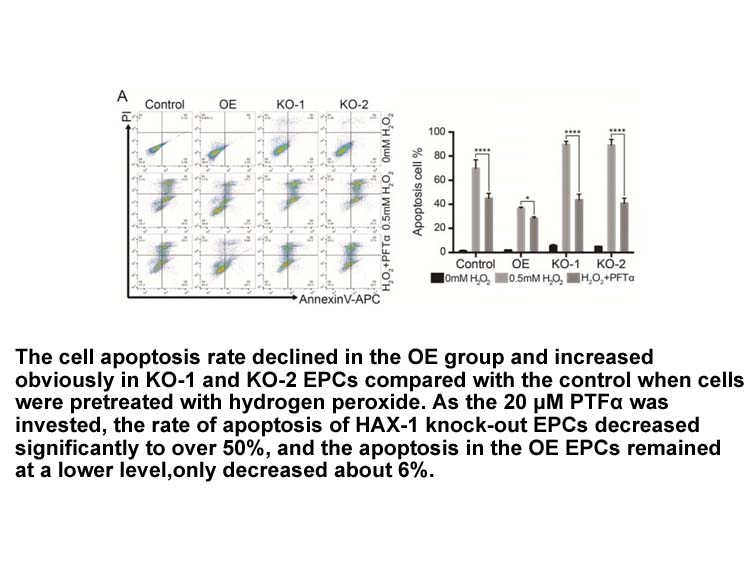
We recently identified a G9A-dependent epigenetic mechanism for transcriptional activation of the serine pathway in cancer cells (Ding et al., 2013). G9A, also known as EHMT2 and KMT1C, is a H3K9 methyltransferase that has a primary role in catalyzing H3K9me1 and H3K9me2 in euchromatin (Shinkai and
-
In this study using pure enzyme
2025-02-28
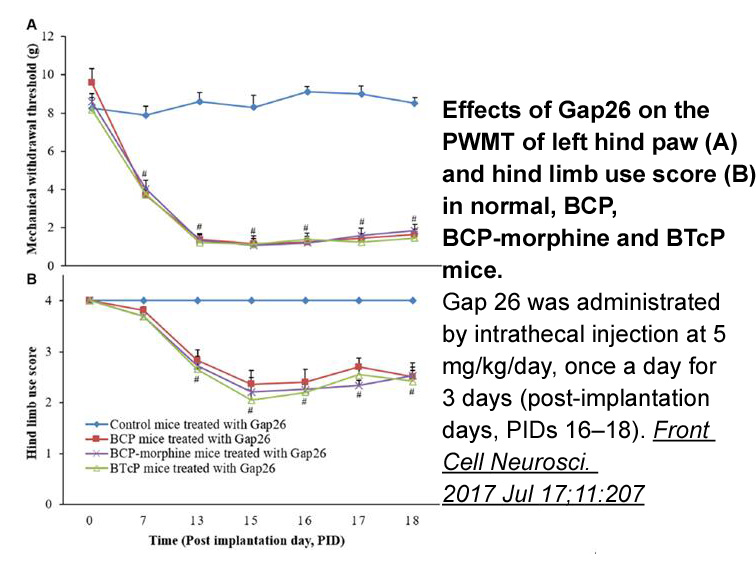
In this study, using pure enzyme preparations of human placental recombinant AR (hAR) and of AR isolated from bovine lens (bAR), which behave as Michaelis Clofarabine with glyceraldehyde as substrate, is shown that an apparent negative cooperativity action for glucose still occurs. We present evide
-
Young et al described the role
2025-02-28
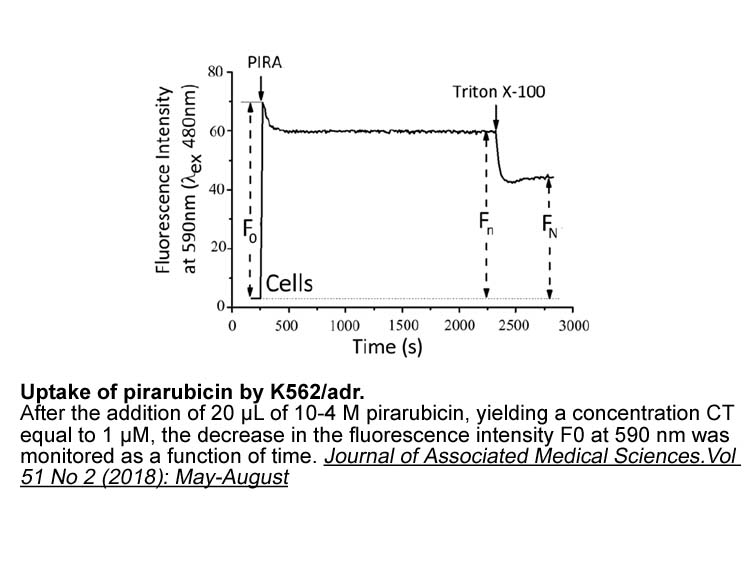
Young et al. [40] described the role of adenine monophosphate-activated protein kinase (AMPK) in the translocation of GLUT4 in the heart. The AMPK is activated during muscle contraction [74] by converting AMP to ATP. The adenosine analog, 5-aminoimidazole-4-carboxamide ribonucleotide (AICAR), is a c
-
Our findings establish a critical link between HemAC Lm dime
2025-02-27
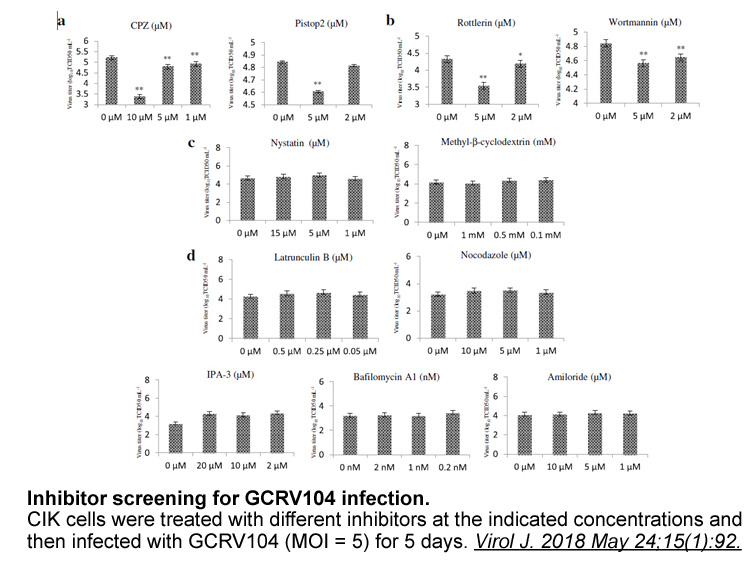
Our findings establish a critical link between HemAC-Lm dimeric structure and cAMP synthesis that helps in explaining how globin-A domain influences AC domain. The following possible homodimeric structure of wild type full length HemAC-Lm has been proposed to explain the role of this globin-A domain
-
Does dietary caffeine interfere with antinociception
2025-02-27
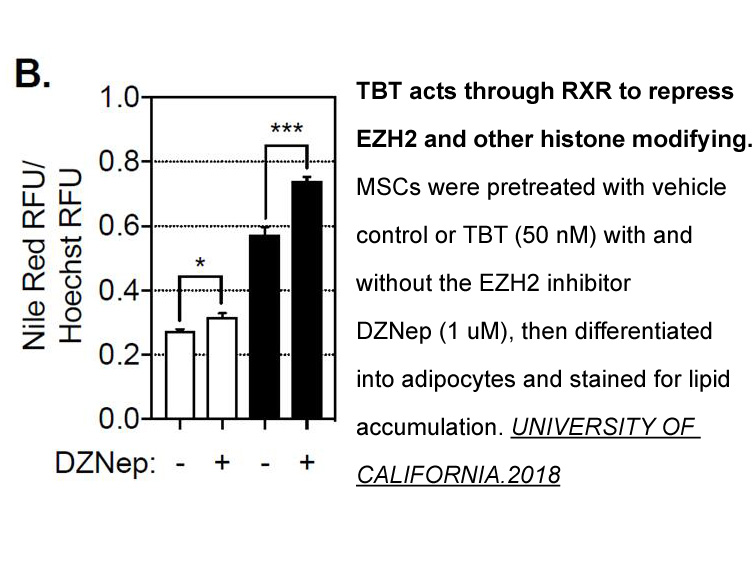
(8) Does dietary caffeine interfere with antinociception by other modalities that alter pain (TENS, exercise, joint mobilization, water immersion therapy)? Caffeine and/or A1R antagonists inhibit antinociception by each of these modalities in preclinical studies, such that there is potential for int
-
The AR signalling pathways play important roles
2025-02-27
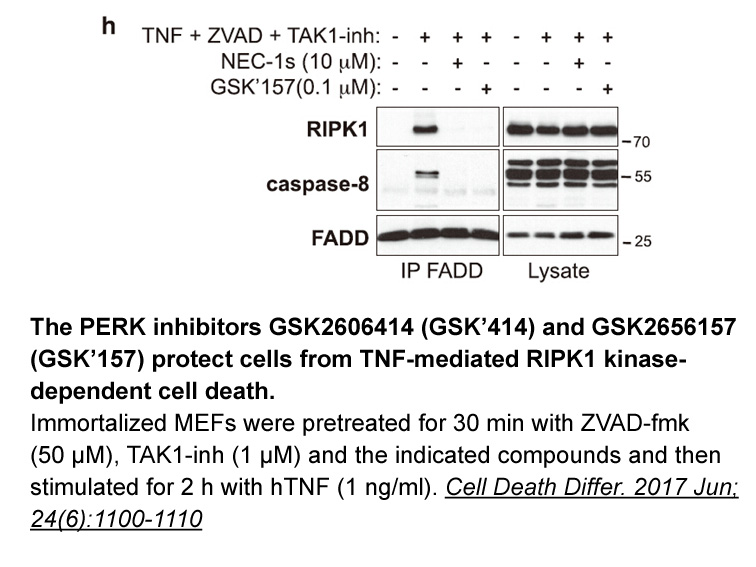
The AR signalling pathways play important roles in several physiopathological processes associated with ischaemia, inflammation, and tumourigenesis [35]. Moreover, A3AR is overexpressed in different tumour RG2833 and seems implicated in pro- or anti-apoptotic effects [36]. In particular, activation
-
br Conflict s of interest br Retinopathy of prematurity ROP
2025-02-27
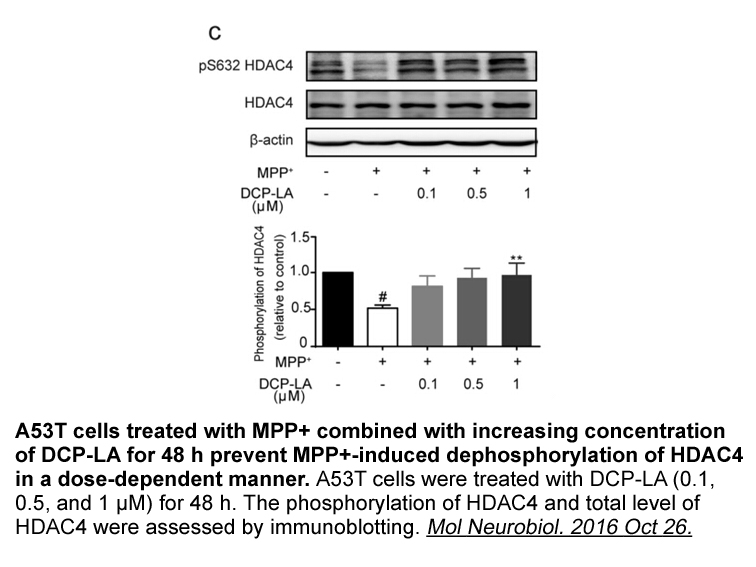
Conflict(s) of interest Retinopathy of prematurity (ROP) is a leading cause of childhood blindness Retinopathy of prematurity (ROP) is a disease of premature infants which disrupts normal retinal vascularization (Fleck and McIntosh, 2008). With increased survival of extremely premature infants
-
As noted earlier the PfkB family of
2025-02-27
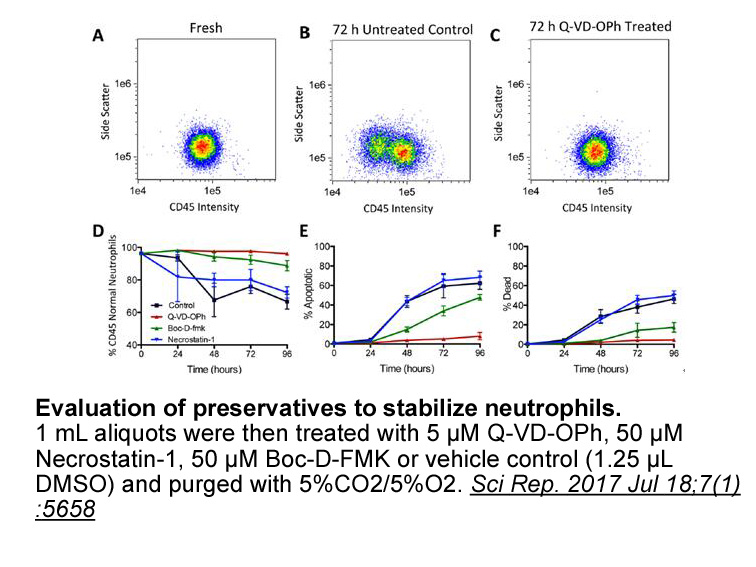
As noted earlier, the PfkB family of carbohydrate kinases can phosphorylate the hydroxymethyl group of a wide variety of sugar moieties [1], [3]. Recent searches of the Swiss-Prot database with the two conserved sequence motifs found in these proteins (Accession nos. PS00583 and PS00584) identified
-
br Results br Discussion The present study uncovers a role
2025-02-27
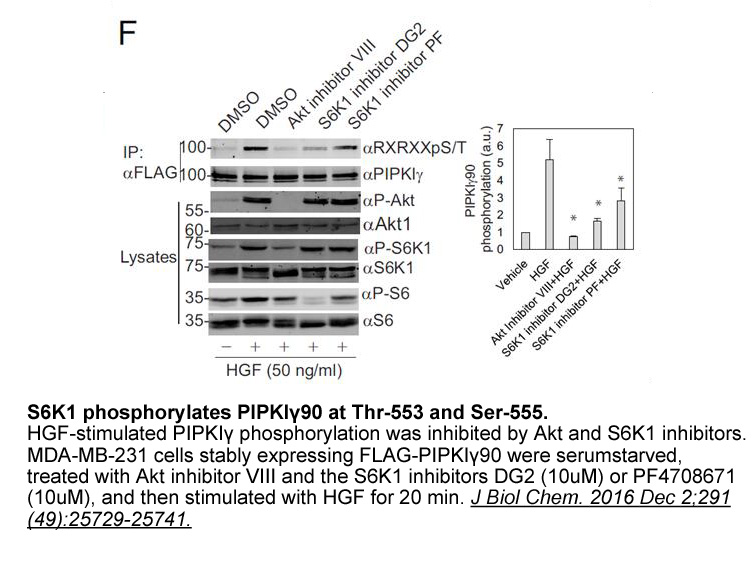
Results Discussion The present study uncovers a role of calpain, a family of calcium-dependent protease, in regulating postsynaptic differentiation at the NMJ. Cholinergic activation stimulates calpain, whose inhibition stabilizes AChR clusters in cultured muscle urat1 inhibitor and in agrin
-
Further evidence for ACh GABA cotransmission had
2025-02-27
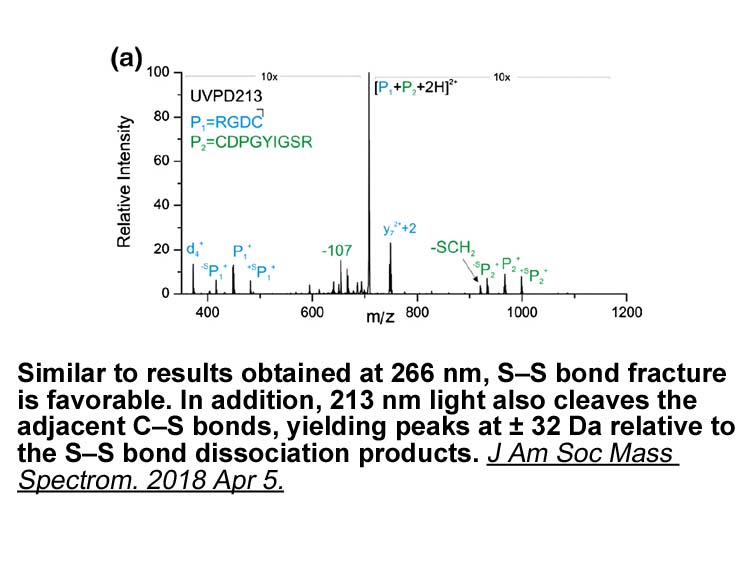
Further evidence for ACh/GABA cotransmission had also been observed in the cortex. Extensive axonal arborization from cholinergic BF neurons exists throughout the cortical layers, allowing direct observation of cholinergic synaptic terminals. One study in the visual cortex of cat examined immunolabe
-
Labetalol HCl Taken together our results indicated that
2025-02-27
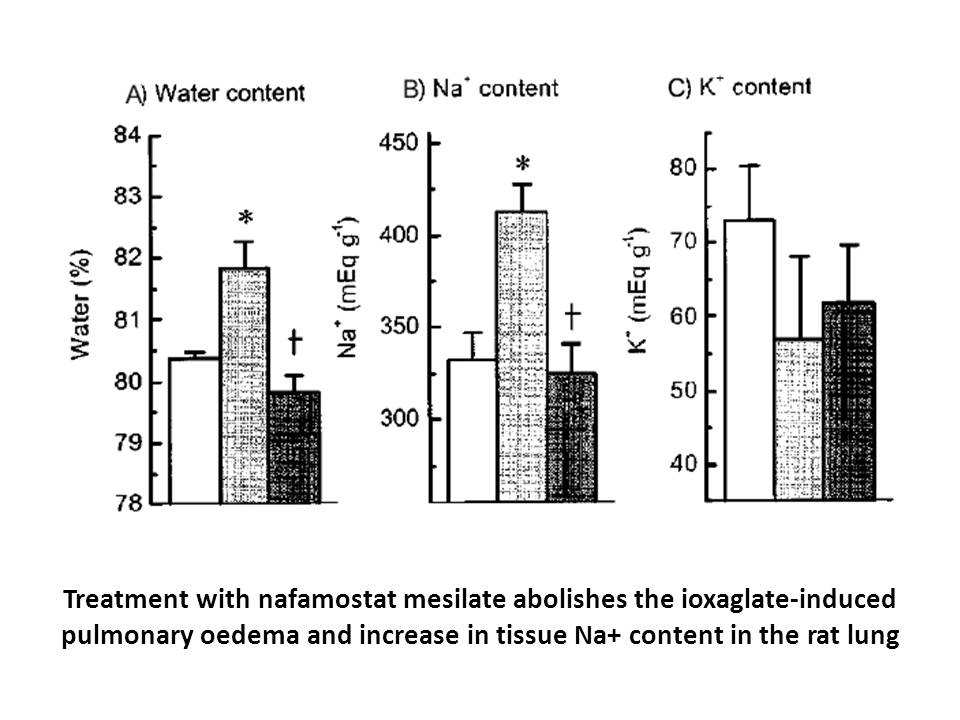
Taken together, our results indicated that 5-LOX can be induced in mice by MPTP injection, and the 5-LOX inhibitor MK-886 reduced the death of dopaminergic neurons. MK-886 also reduced the LTB4 Labetalol HCl induced by MPTP. The development of the novel 5-LOX or FLAP inhibitors may provide a new th
16388 records 35/1093 page Previous Next First page 上5页 3132333435 下5页 Last page